How Crypto Casinos Are Reshaping Online Gambling in the U.S.: Top Platforms, Blockchain Benefits, and What Players Need to Know in 2026

I've spent the better part of the last few years watching the online gambling space in America shift under my feet, and honestly, nothing has moved the needle quite like the crypto casino boom. What started as a niche corner for tech-savvy gamblers has turned into a legitimate movement that's forcing traditional operators to rethink their entire payment infrastructure. If you've been curious about why everyone from casual slot spinners to serious poker players keeps mentioning Bitcoin deposits, this is the article that breaks it all down.
The Rise of Crypto Casinos in the U.S. Gambling Market
2026 feels like the tipping point I've been waiting for. Player demand for faster payouts and more transparent odds has collided with a maturing blockchain infrastructure, and the result is a wave of platforms that operate outside the sluggish banking rails most fiat casinos still rely on. Regulatory gray areas still exist—states haven't caught up uniformly—but that hasn't slowed adoption one bit. If anything, the ambiguity has pushed operators to self-regulate through provable fairness and transparent ledgers, which ironically builds more trust than some licensed fiat sites manage.
What Are Crypto Casinos and How Do They Work?
At their core, crypto casinos are online gambling platforms that accept digital currencies like Bitcoin, Ethereum, and stablecoins as primary payment methods. Many are built directly on blockchain infrastructure, meaning every bet, spin, and payout can theoretically be traced and verified on-chain. This isn't just a payment gimmick—it's a fundamentally different architecture for how trust gets established between a player and an operator.
Blockchain Technology Behind the Games
The magic here is in provably fair algorithms. Instead of trusting a casino's word that a slot machine or roulette wheel is random, players can verify the outcome themselves using cryptographic hashes generated before and after each round. Smart contracts take this a step further by automating payouts once certain conditions are met, removing the human element that sometimes delays or disputes withdrawals on traditional sites.
Popular Cryptocurrencies Used at Casinos
Bitcoin remains the heavyweight champion for obvious reasons—liquidity, recognition, and widespread wallet support. Ethereum follows closely, especially on platforms that use smart contracts for game logic. Litecoin has carved out a niche thanks to its faster block times, and stablecoins like USDT or USDC have become the go-to for players who want crypto's speed without the price swings. I've also noticed emerging altcoins gaining traction in 2026, particularly ones with lower transaction fees on newer Layer 2 networks.
Key Benefits of Choosing Crypto Casinos Over Traditional Platforms
The advantages aren't subtle. Faster withdrawals, lower fees, better privacy, and access from virtually anywhere in the world—these are the pillars that keep pulling players away from traditional fiat sites. I've personally waited three business days for a bank withdrawal from a legacy casino, only to compare that to a crypto payout that landed in my wallet in under ten minutes. That contrast is hard to ignore.
For U.S. players trying to navigate this space responsibly, it helps to lean on resources that vet platforms before you deposit a single dollar. Sites like crypto casinos have become useful starting points for finding secure, reputable operators and staying current on blockchain gambling trends without falling into scam platforms that pop up overnight.
Speed and Security of Transactions
Traditional banking rails involve intermediaries—your bank, the casino's payment processor, sometimes a third-party verification service. Each step adds delay. Blockchain transactions cut most of that out entirely. Deposits confirm within minutes, and withdrawals, once processed by the casino, often land in your wallet before you've finished your coffee. Security-wise, the decentralized ledger makes tampering practically impossible, though the responsibility shifts to players to secure their own wallets properly.
Top Crypto Casino Platforms Trending in the U.S. in 2026
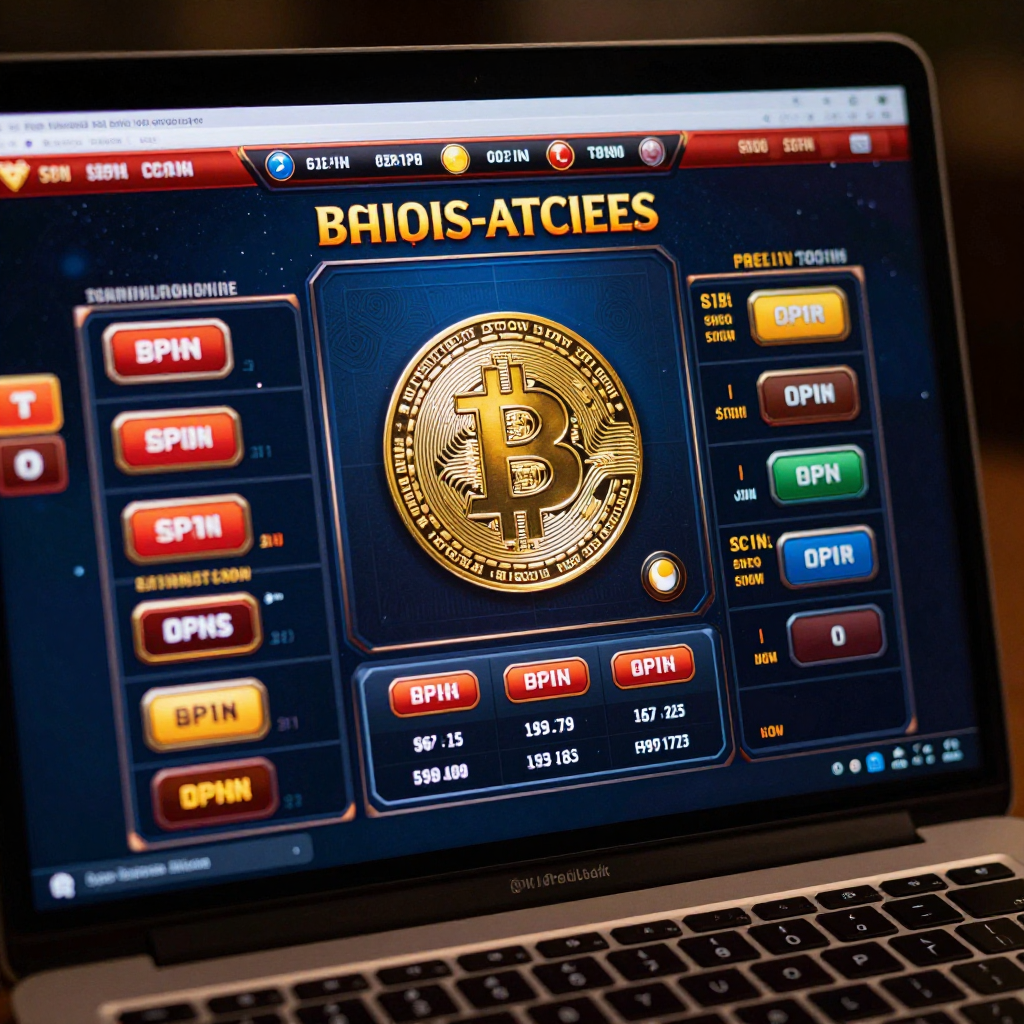
Rather than throw out brand names that might not hold up to scrutiny six months from now, I think it's more useful to talk about what actually separates a solid platform from a risky one. Licensing matters, even if it's offshore—look for recognized jurisdictions. Game variety should span slots, table games, and live dealer options. Crypto payment flexibility is essential, and bonus structures should be reasonable, not predatory with impossible wagering requirements buried in fine print.
What Sets Top-Tier Platforms Apart
The best operators I've come across invest heavily in user experience—clean interfaces, mobile-first design, and customer support that actually responds within hours, not days. Provable fairness certifications from independent auditors add another layer of credibility. And honestly, if a platform doesn't work smoothly on my phone during a lunch break, I lose interest fast. Mobile compatibility isn't optional anymore; it's the baseline expectation.
Legal Landscape and Regulatory Considerations for U.S. Players
This is where things get murky, and I'd be doing you a disservice if I glossed over it. U.S. gambling law is a patchwork mess state by state, and crypto adds another layer of complexity since most of these casinos operate under offshore licenses from places like Curacao or Malta. Before depositing anything, verify the casino's license, check whether your state has specific restrictions on online gambling (crypto or otherwise), and read the terms around withdrawal limits and KYC requirements. Some platforms require identity verification only at withdrawal time, which can catch players off guard.
Common Mistakes to Avoid When Using Crypto Casinos
- Ignoring wallet security—using exchange wallets instead of secure personal wallets for gambling funds
- Skipping platform reviews and diving straight into deposits based on flashy ads
- Chasing losses while crypto prices are volatile, which compounds financial risk
- Neglecting responsible gambling tools like deposit limits and self-exclusion options
- Overlooking withdrawal terms until it's too late to change platforms
I've made a version of most of these mistakes myself early on, and trust me, a little research upfront saves a lot of frustration later.
The Future of Crypto Gambling in America
Looking toward 2027 and beyond, I expect tighter regulation to emerge as states realize crypto gambling isn't a passing fad. NFT-based loyalty programs and metaverse casino experiences are already being tested by forward-thinking operators, blending gambling with digital collectibles in ways that feel genuinely new. Mainstream acceptance of digital currencies keeps growing too, which means crypto casinos will likely stop being the 'alternative' option and start becoming just another standard choice alongside credit cards and bank transfers.
Conclusion
Crypto casinos aren't just a trend—they're reshaping how Americans think about online gambling entirely, from transaction speed to transparency in game fairness. The technology offers real advantages, but it also demands a bit more diligence from players who want to stay safe and avoid predatory operators. Do your homework, verify licensing, protect your wallets, and approach this evolving space with the same caution you'd apply to any financial decision. The future looks promising, but informed participation is what separates a good experience from a costly mistake.
